Dandruff affects nearly half the global adult population, yet it remains one of the most stigmatised and misunderstood everyday health conditions. As Australians increasingly turn to community pharmacies for frontline care, Key Pharmaceuticals and Alliance Pharma are working to redefine scalp health as a core part of overall wellbeing.
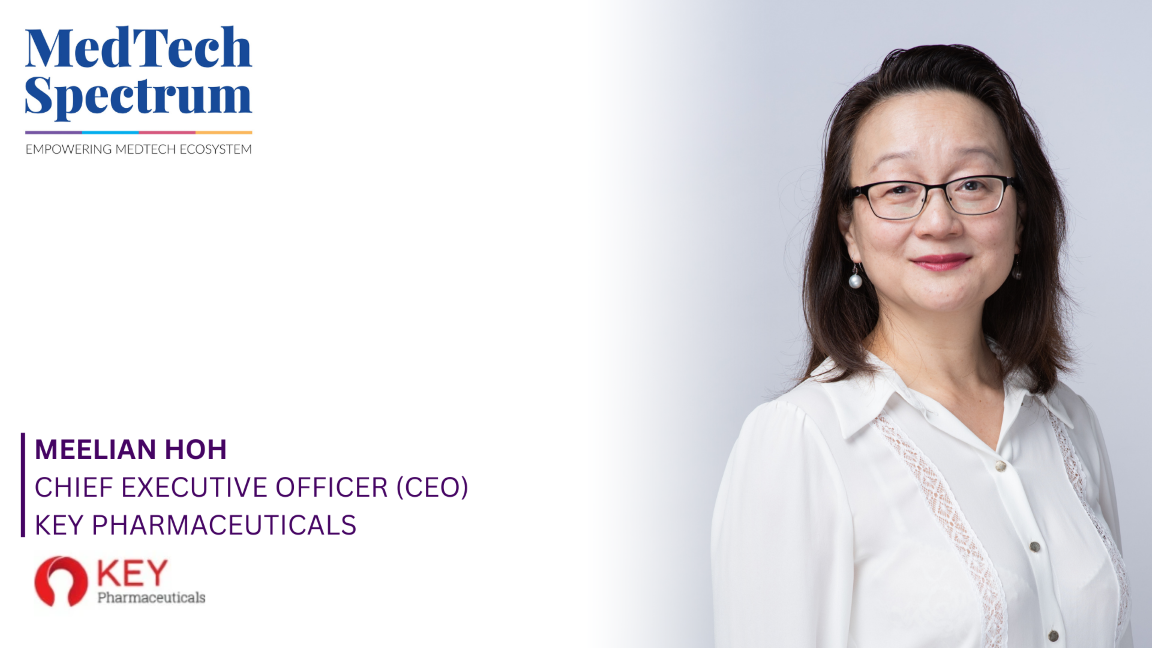
In this interview with MedTech Spectrum, Meelian Hoh, Chief Executive Officer of Key Pharmaceuticals, explains how the company’s five-year partnership with Alliance has helped transform Nizoral into a pharmacy-led category leader, the strategies driving a national shift in scalp-health awareness, and why empowering pharmacists is central to destigmatising dandruff and improving access to effective care.
What inspired Key Pharmaceuticals and Alliance Pharma to focus on destigmatising dandruff and promoting scalp health, and why do you see pharmacists as central to this effort?
Dandruff affects around half of all adults globally, yet it’s still treated like a taboo or a cosmetic issue. That stigma means people can delay seeking help and often miss out on effective treatment. We want to change that - by reframing scalp care as an essential part of everyday wellness. Pharmacists are the most accessible health professionals in Australia, and often the first people people confide in about a scalp issue. Our five-year partnership with Alliance has been building up to that reality: equip pharmacy teams to lead stigma-free conversations, and you empower consumers to make confident, informed choices. When pharmacists feel confident having those discussions, consumers feel confident seeking help - and that’s the change we’re driving. Since the partnership began in 2020, Nizoral has achieved significant growth in market share and sales.
What strategies have been most effective in transforming Nizoral into a pharmacy-led, category-leading solution?
The real turning point came when we put pharmacy at the centre of everything - pairing Alliance’s global consumer health expertise with Key’s deep local relationships. We shifted Nizoral from being “just a treatment” to being a trusted scalp-health solution. That’s meant consistent pharmacist education, stronger in-store visibility and distribution, and clear, evidence-based messaging on Nizoral’s role in treating dandruff. The result: pharmacy sales have more than doubled to over $14m in 2025, and value share has risen from 30.7 per cent to 40.5 per cent. Those outcomes confirm that investing in pharmacist-led care builds both category health and brand leadership.
How are pharmacists being equipped to have confident conversations with consumers about scalp health, and what training or digital tools have proven most impactful?
We’re looking at focused training and digital learning to build confidence - practical modules on recognising symptoms, when to recommend ketoconazole, and how to approach sensitive, stigma-laden conversations with empathy. That’s complemented with simple conversation starters that make it easier for assistants and pharmacists to initiate the topic without customers feeling judged. We’re also aligning consumer marketing with pharmacy education so language and cues are consistent - from shelf to consultation. Together, these supports make the counter a safe space to talk about a very common condition; dandruff Consumers perceptions of dandruff often view it as cosmetic rather than a health concern.
What initiatives are in place to change this mindset, and how do you measure success in shifting consumer awareness and behaviour?
Working alongside the education campaign for pharmacists, we’ll be rolling out a consumer campaign to normalise scalp-health conversations, positioning dandruff care alongside everyday wellness rather than as something to hide. Second, we’re commissioning a national study into the emotional and social cost of dandruff; those insights will inform education and public-awareness activity in 2026 so pharmacists can lead with empathy. We’ll gauge success through the number of patients comfortable discussing scalp health with their pharmacists, and an increase in the number of people from high-stigma populations seeking pharmacists’ advice. We’ll also look at the number of pharmacies taking up the consumer campaign, as well as pharmacist-consumer engagement.
Looking ahead, how do you plan to leverage innovation, whether in product development, digital health tools, or educational programs, to sustain long-term growth and relevance in the scalp health category?
We’re looking to broaden relevance through new training formats, smarter in-store prompts and data-informed content that reflects what customers are actually asking, or not asking. And we’ll keep aligning consumer awareness with pharmacist capability so the journey from shelf to solution stays seamless and trusted.
From a public health perspective, what broader impact do you hope this partnership will have on normalising conversations about scalp and skin health in Australia?
If we can make talking about dandruff as routine as chatting about skin or oral care, we’ll reduce the embarrassment that keeps people suffering in silence and improve everyday wellbeing at scale. Pharmacists are uniquely placed to lead that cultural shift - approachable, local, and trusted - so equipping them is a public-health investment as much as a commercial one. Our ambition is healthier, more confident communities where people act early and feel supported, not judged, when they ask for help. That’s the legacy we want this partnership to leave.