
As preparations for the Union Budget 2026–27 gather pace, healthcare leaders are urging the government to sharpen its focus on early diagnosis, affordable care, and secure digital transformation to improve outcomes and equity across India’s healthcare system.
Dr Kanika Batra Modi has called for a stronger policy and funding push toward early detection and decentralised treatment pathways for gynaecological cancers, which continue to be underserved despite a rising disease burden. She emphasised the need for organised cervical cancer screening programmes with clear referral pathways, alongside easier access to colposcopy, biopsy, and imaging facilities at the district level.
“Late presentation and high out-of-pocket diagnostic costs continue to worsen outcomes for women,” Dr Modi said, noting that while the Ministry of Health and Family Welfare allocation rose to Rs99,859 crore in the Union Budget 2025–26, gaps remain in translating policy intent into timely, stage-appropriate care. She added that the proposed rollout of 200 Day Care Cancer Centres across district hospitals was a positive step toward decentralising cancer services, but called for Budget 2026–27 to go further by subsidising essential diagnostics and investing in oncology training to strengthen the specialist workforce.
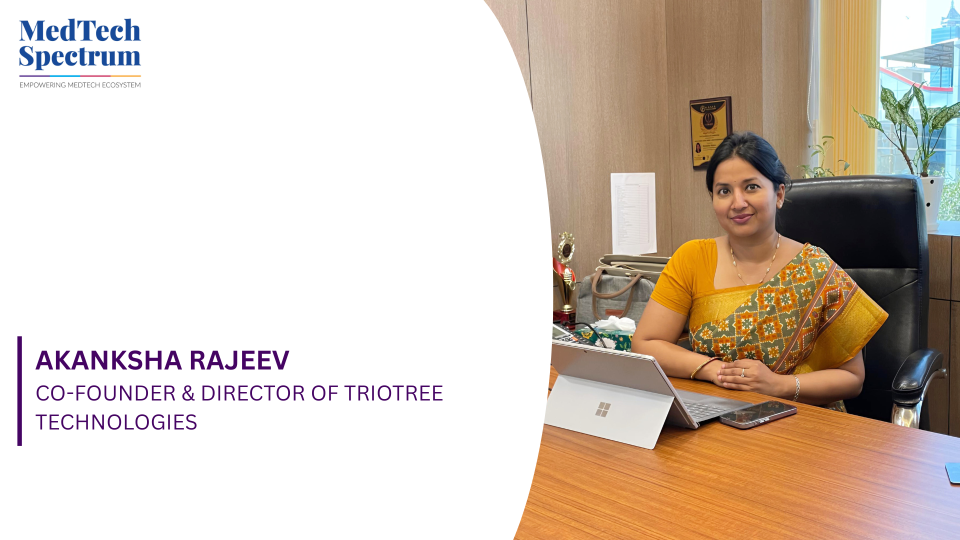
Parallelly, Surjeet Thakur, Founder and CEO of TrioTree Technologies, highlighted the urgent need to embed cybersecurity and digital resilience into India’s healthcare modernisation agenda. As hospitals increasingly adopt hospital information systems (HIS), electronic health records (EHRs), and AI-driven diagnostics, Thakur said cybersecurity must evolve from a support function to a core healthcare policy priority.
“Hospitals are already increasing cybersecurity spending from 8–10 per cent of IT budgets to an estimated 12–15 per cent by 2027, reflecting rising cyber threats and regulatory expectations,” Thakur said. He called for dedicated Budget 2026–27 allocations for healthcare IT security, along with targeted subsidies to enable digital adoption in Tier-2 and Tier-3 regions.
Both experts stressed that sustained policy support for interoperable health data platforms, AI-led diagnostics, and secure digital ecosystems will be critical to delivering accessible, equitable, and future-ready healthcare. With women’s cancer outcomes and digital trust emerging as key pressure points, Budget 2026–27 is expected to play a decisive role in shaping the next phase of India’s healthcare transformation.