HighTide Therapeutics, an innovative biopharmaceutical company specializing in the development of multifunctional, multi-targeted therapies for cardiovascular–kidney–metabolic (CKM) diseases, presented new preclinical findings for HTD1801 in autosomal dominant polycystic kidney disease (ADPKD) at Kidney Week 2026, the 59th Annual Meeting of the American Society of Nephrology (ASN), in Denver, US. The findings demonstrate potent inhibitory activity of HTD1801 against cyst expansion in ADPKD.
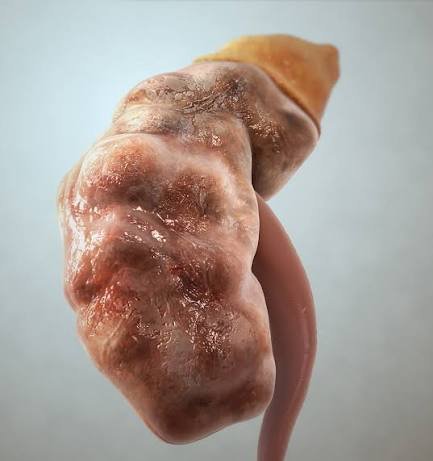
ADPKD is the most common inherited kidney disorder, characterized by progressive cyst formation and kidney failure by age 60 in approximately 50 per cent of patients. Although existing treatments are available to slow disease progression in certain patients, safety risks and eligibility limitations leave substantial unmet medical needs in ADPKD. HTD1801 targets the AMPK–NLRP3 axis by activating AMPK, suppressing cAMP-driven epithelial cyst proliferation, and inhibiting NLRP3 to mitigate renal inflammation and fibrotic remodeling, thereby potentially targeting key pathological processes in ADPKD.
In this study, the effect of HTD1801 on forskolin (FSK)-induced cyst expansion was evaluated in PKD1−/− human iPSC-derived nephron organoids, with metformin and tolvaptan as reference comparators. The results showed that HTD1801 significantly reduced the median cystic area fraction to 10.70 per cent, compared with 20.40 per cent in the FSK model control group. Meanwhile, organoids with a low cystic burden (<20 per cent) increased from 46.9 per cent in the model control group to 97.3 per cent, while organoids with a high cystic burden (≥30 per cent) decreased from 8.2 per cent to 0 per cent. By comparison, metformin reduced the median cystic area fraction to 13.12 per cent, while tolvaptan did not alter cyst burden, as this model does not respond to tolvaptan.
These findings further expand the potential multidimensional renal benefits of HTD1801. Previous studies have demonstrated the potential of HTD1801 to improve metabolic abnormality-associated renal impairment. HTD1801 effectively suppresses cyst expansion in PKD1-mutant human nephron organoids, validating its dual effects of AMPK activation and NLRP3 inhibition in ADPKD pathogenesis. These preclinical findings provide a strong rationale for further clinical investigation of HTD1801 to explore its potential as a disease-modifying therapy for ADPKD. They further highlight the therapeutic potential of HTD1801 for patients with ADPKD and other chronic kidney diseases (CKD), particularly those currently underserved by existing treatment options.