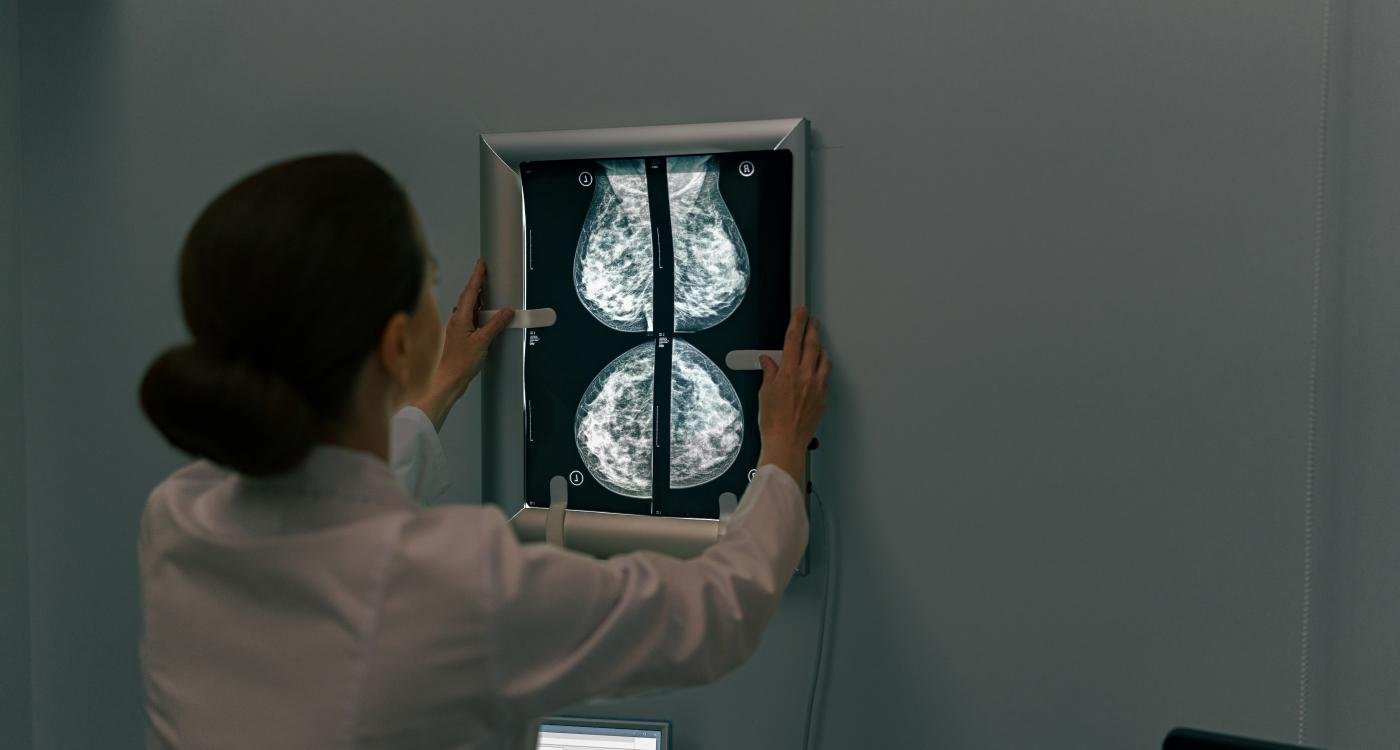

HOPPR has launched Presto Agent, an AI draft reporting tool designed to integrate with radiology reporting systems that clinicians already use.
The platform is commercially available for PowerScribe 360 and PowerScribe One, with additional reporting-system integrations in development. HOPPR said Presto does not require new software platforms or workflow migration, addressing one of the common barriers to AI adoption in radiology.
This is relevant because radiology AI adoption often slows at the point of clinical workflow. Many AI tools can analyse imaging data, but radiologists may still need to move across separate platforms, manually transfer findings or adjust reports themselves. This limits practical value in high-volume reporting environments.
Presto uses information from AI models selected by each practice to extract findings from imaging exams. It then generates a draft report using the received findings and imports them into the radiologist’s existing templates.
The system is designed to work with commercial, open-source or internally developed vision-language models. This gives practices flexibility as AI models evolve and avoids locking users into a single model ecosystem.
The platform also supports reporting tasks beyond image finding extraction. It can organise dictated text within report templates and automatically pull measurements from DEXA images, scanned PDFs and ultrasound worksheets directly into reports. This targets a common source of reporting inefficiency, where radiologists spend time transferring measurements and formatting structured reports.
The development is important because report generation remains a major administrative burden in radiology. While image interpretation is the core clinical task, documentation quality, measurement accuracy and report consistency affect downstream care, billing, communication and medico-legal recordkeeping.
Early access users cited the platform’s ability to fit into existing workflows with minimal disruption. HOPPR’s clinical leadership positioned the tool as a way to bring AI results into the systems radiologists already use, at the point where those results are needed.
The product also reflects HOPPR’s broader positioning in medical imaging AI infrastructure. The company’s AI Foundry provides a secure platform for building, fine-tuning, validating and hosting medical imaging AI models. It also holds SOC 2 Type II attestation, HITRUST e1 Certification and HIPAA-compliant infrastructure.
The development reflects a shift in radiology AI from standalone algorithms toward workflow-native tools. As imaging volumes rise and reporting pressure increases, the next phase of adoption may depend less on whether AI can detect findings and more on whether it can support the full reporting process inside the systems clinicians already use.