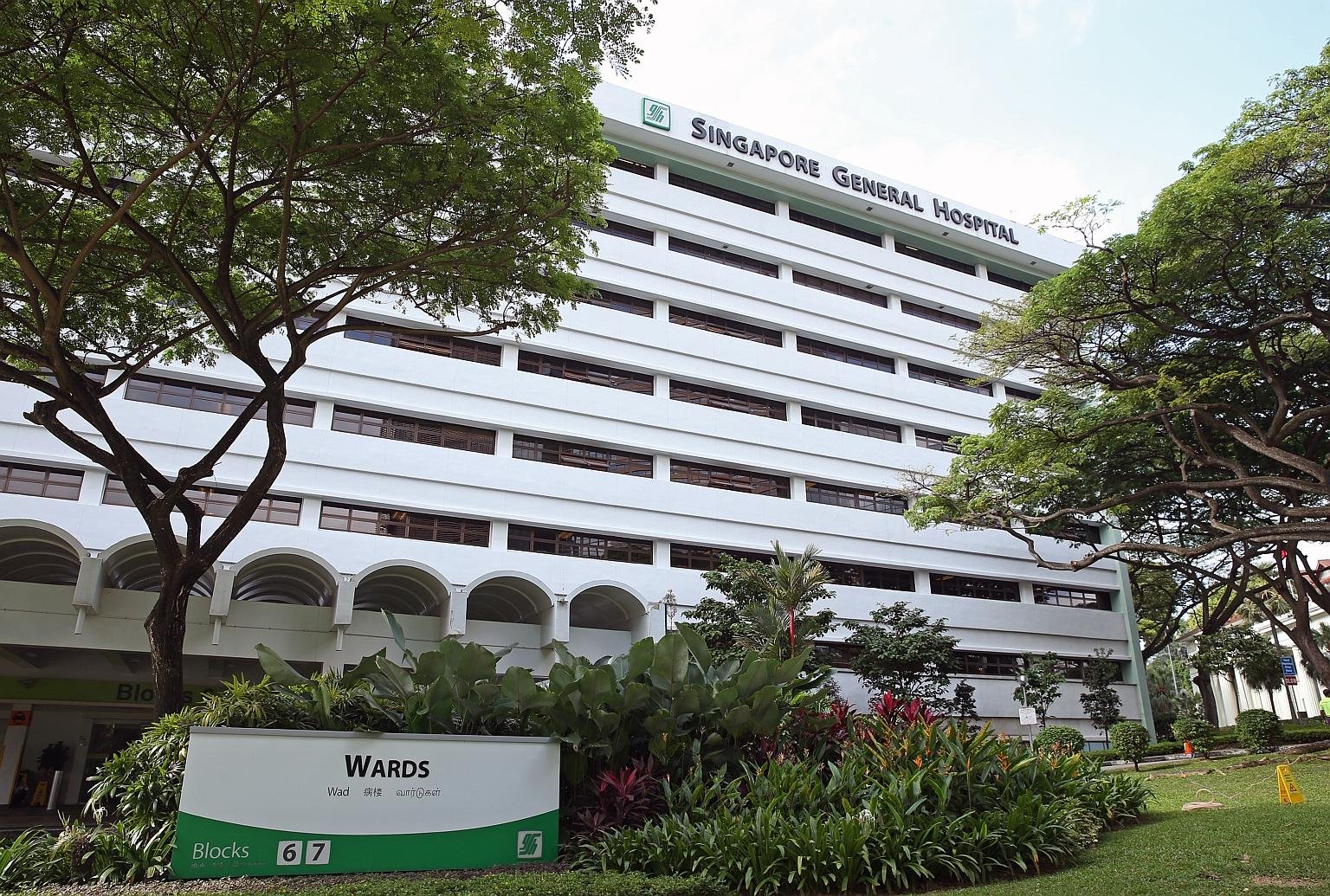
Singapore General Hospital has launched a regional initiative with the International Bowel Ultrasound Group, in collaboration with Johnson & Johnson, to expand access to intestinal ultrasound for inflammatory bowel disease monitoring across Southeast Asia and India.
The programme is intended to address what clinicians describe as the “invisible inflammation” gap in IBD, where patients may feel well despite ongoing inflammation in the bowel.
This can make disease activity difficult to assess based on symptoms alone and may allow inflammation to progress before complications become apparent.
Intestinal ultrasound provides a non-invasive way for doctors to assess bowel inflammation in real time during a clinic visit.
The technique is becoming increasingly relevant as treatment goals in IBD shift beyond symptom control towards deeper outcomes such as endoscopic remission.
The inaugural programme will train and certify 19 gastroenterologists from leading institutions across Southeast Asia and India.
Beyond the first cohort, the collaboration aims to support the establishment of 15 intestinal ultrasound-capable centres and provide close to 1,000 patients with access to advanced disease monitoring in the first year.
The programme also seeks to build a regional network of specialists who can support wider adoption of evidence-based IBD monitoring.
SGH will serve as the regional training hub, drawing on its experience as home to Singapore’s first dedicated multidisciplinary IBD Centre.
The hospital currently manages approximately 1,000 patients with IBD and performs around 400 intestinal ultrasound assessments each year.
“One of the greatest frustrations for people living with IBD is the uncertainty of whether their disease is truly under control. Symptoms may improve, but inflammation can persist beneath the surface and potentially lead to long-term complications,” said Dr Malcolm Tan, Senior Consultant at the Department of Gastroenterology and Hepatology and Director of the Inflammatory Bowel Disease Centre at SGH.
“Our experience has shown us that the future of IBD care must be more precise and less invasive. Our ambition is not simply to train specialists, but to help build an ecosystem where more patients can benefit from timely disease monitoring, earlier intervention and greater confidence in the decisions they make with their healthcare teams.”
IBD affects an estimated 3,000 people in Singapore, with the burden also increasing across Asia.
Without regular monitoring, persistent inflammation can lead to complications including hospitalisation and surgery.
Dr Federica Furfaro, EDUCOM Chair at the International Bowel Ultrasound Group, said access to advanced IBD monitoring remains uneven across much of Asia.
“This collaboration will create a sustainable network of expertise that can accelerate the adoption of evidence-based monitoring across healthcare systems.”
“Regardless of where a patient lives, we want them to benefit from the same high standards of disease monitoring and informed clinical decision-making.”
She added that strengthening regional capability could support earlier treatment optimisation and more personalised care.
The initiative reflects growing interest in non-invasive imaging tools that can be incorporated more easily into routine outpatient care, potentially reducing reliance on more invasive assessments while allowing clinicians to monitor disease activity more frequently.
By expanding training and regional capacity, the programme aims to make intestinal ultrasound a more accessible part of IBD care across Asia.