Spinal Resources has received a second US patent for its multi-diameter spinal fixation rod technology, reinforcing the company’s intellectual property position in patient-specific spinal stabilisation.
The newly issued US Patent No. 12,611,231, titled “Spinal Rod and Systems Thereof,” extends protection secured through the company’s earlier US Patent No. 12,251,133, which was granted on March 18, 2025. Together, the patents cover Spinal Resources’ proprietary multi-diameter, variable-stiffness spinal fixation platform.
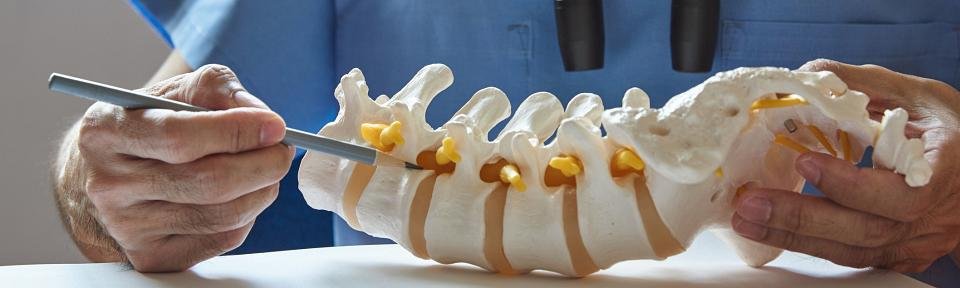
The development is relevant to long-construct spinal fusion, where conventional posterior spinal fixation rods typically maintain a single constant diameter along their full length. This uniform stiffness profile can be poorly matched to the variable anatomy and bone quality of the spinal column, particularly in complex spinal procedures that require stability across multiple segments.
Earlier stepped rod designs attempted to address this issue through changes in diameter, but abrupt transitions may create stress concentrations and restrict screw placement. Spinal Resources’ design replaces these abrupt transitions with smooth, continuous Bezier curve geometry, allowing the rod cross-section to be customised segment by segment along its length.
The company said its variable-stiffness Bezier rods are designed to work with rod contour morphotypes derived from post-operative outcome databases and AI-enabled surgical planning. This approach is intended to support patient-specific spinal fixation from the occiput to the sacrum while reducing dependence on coupled multi-rod assemblies.
From a clinical standpoint, the technology is aimed at reducing mechanical complications associated with spinal fixation, including adjacent segment disease, proximal junction kyphosis, proximal junction failure, implant loosening, and stress shielding of bone. These remain important considerations in long-construct spinal fusion, where biomechanical mismatch can affect long-term outcomes.
The new patent broadens the company’s protection by covering the spinal rod itself independently of any specific fastener system. The earlier patent covers the variable-diameter rod as part of a broader implantable stabilisation system, including pedicle screw and retaining cap assemblies.
The layered intellectual property strategy may carry commercial significance as Spinal Resources prepares to scale commercialisation and engage strategic partners. For emerging medical device companies, patent coverage across both device design and system-level configuration can strengthen negotiating position and reduce competitive vulnerability.