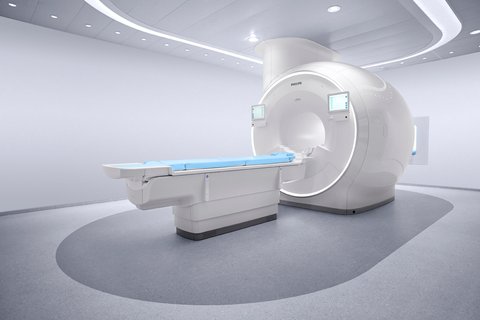
Royal Philips, a global leader in health technology, and Imricor Medical Systems, a pioneer and world-leading developer of MR-compatible products for interventional MR procedures, announced a new Interventional MR (iMR) lab solution for Philips 1.5T MR. The first commercially available configuration combines Philips’ 1.5T MRI platform and Imricor's portfolio of iMR systems and consumables, enabling an MR-guided workflow for cardiac intervention, without compromising on MR field strength.
Cardiac arrhythmias affect millions of people worldwide, and catheter ablation is an established and increasingly utilized treatment for many complex cardiac arrhythmias. Yet today, these procedures continue to rely primarily on X-ray fluoroscopy, which provides only indirect visualization of soft tissue while exposing patients and clinical teams to ionizing radiation.
MRI has already transformed cardiac diagnosis by enabling clinicians to visualize cardiac anatomy and tissue in exceptional detail. Bringing that same level of tissue insight into intervention has the potential to help physicians guide therapy more precisely, assess treatment response during procedures and identify potential therapy gaps before a patient leaves the procedure room – all within a radiation-free work environment of an iMR.
"Our ambition is not only to advance what clinicians can see with MRI, but also what they can do with it," said Ioannis Panagiotelis, PhD, Business Leader, Magnetic Resonance at Philips. "Philips has a long history of helping clinicians perform image-guided procedures with confidence, and we believe MRI can play an even greater role in providing care. With this new iMR lab solution, enabled through our collaboration with Imricor, we're expanding the role of cardiac MRI from diagnosis into the treatment environment."
Panagiotelis added, "Cardiac electrophysiology is just the beginning. This iMR lab solution represents an important step in Philips' strategy to advance MRI across the care continuum, creating a platform that can expand into additional clinical areas while helping clinicians deliver the best possible care for their patients."