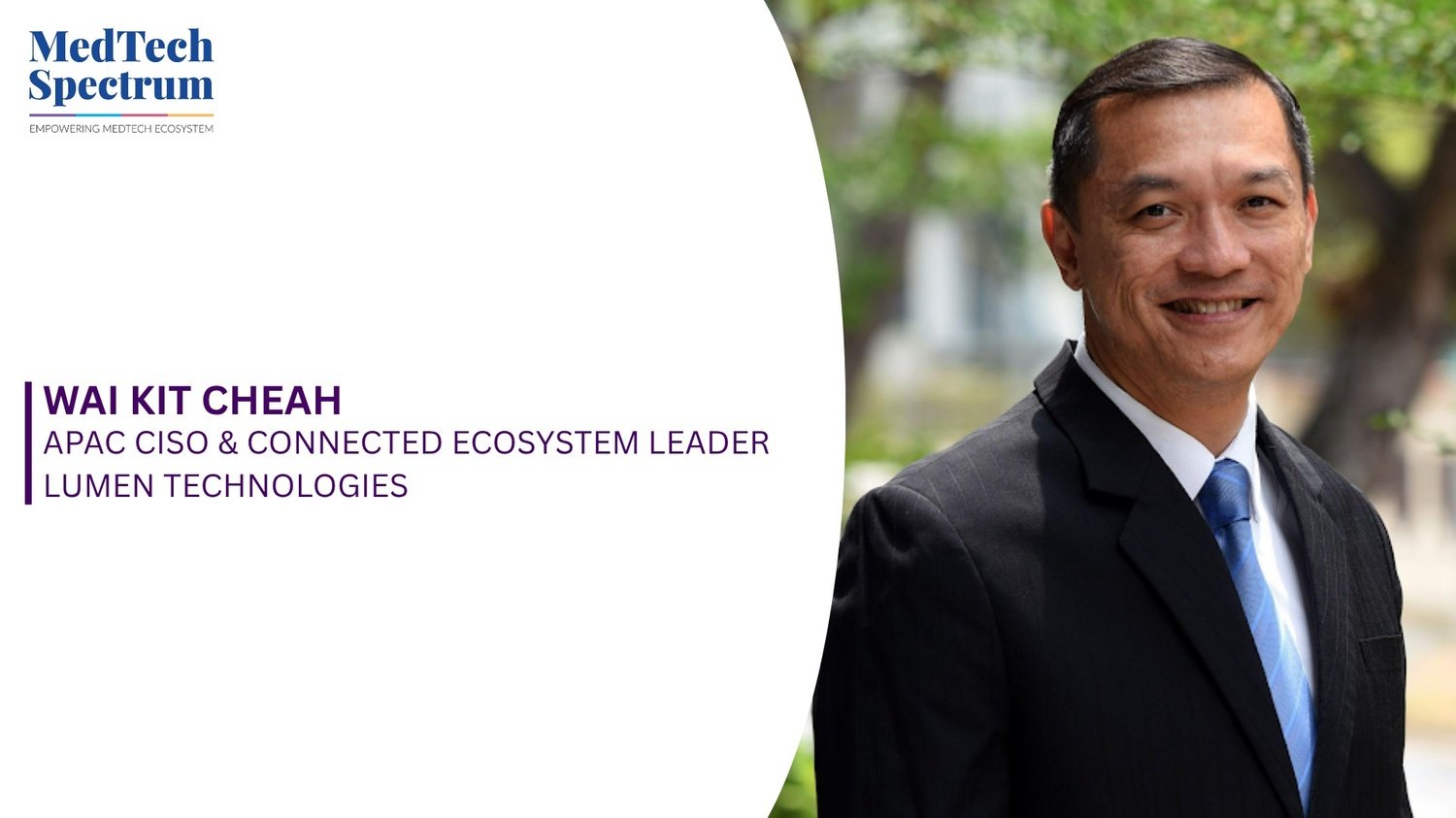
Wai Kit Cheah, APAC CISO & Connected Ecosystem Leader at Lumen Technologies, discusses healthcare data portability, AI governance and cyber resilience across Singapore and the wider APAC region....

The cloud-based tool gives hospitals retrospective programme-level insights into kidney replacement therapy delivered in acute and critical care settings....

Dassault Systèmes is bringing together its 3DEXPERIENCE Lab and OUTSCALE for Entrepreneurs programmes to provide healthcare startups with access to digital health innovation tools, virtual twin technologies, AI capabilities and sovereign cloud infrastructure...
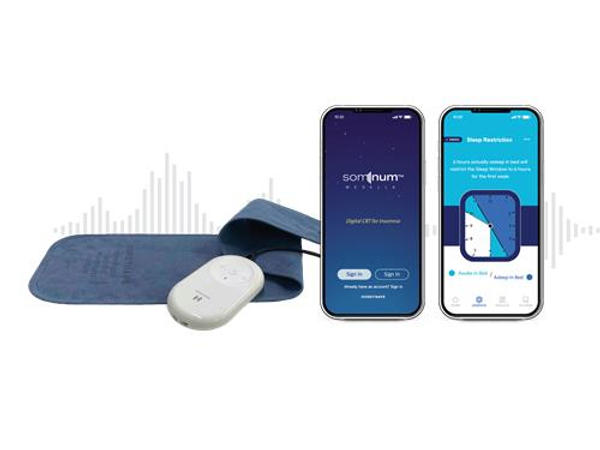
SOMNUM V3.0 supports automated analysis of polysomnography data and classifies obstructive, central and mixed sleep apnea events....

The funding will support commercial launch of XenFi and planned clinical testing of the Guru dual-sensor physiology guidewire in TAVR procedures....

The acquisition adds patents covering waveform design, adaptive programming and AI-enabled neuromodulation to BIOTRONIK Neuro’s chronic pain platform....
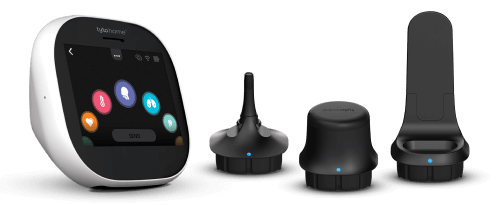
The company is expanding its FDA-cleared remote examination and SaMD platform for cardiopulmonary, oncology and chronic disease care....

Pinky Promise, an AI-enabled women's healthcare platform that has facilitated more than 400,000 consultations across India...

Syncron-E detects evidence of ineffective patient efforts in ventilated adults, creating a new FDA device category for ventilator waveform analysis software....

The AI-powered framework is designed to help healthcare providers, medical device manufacturers and pharmaceutical organisations unlock insights from healthcare data....