The acquisition of AVS by Stryker marks a major milestone in the advancement of vascular intervention technologies for calcified peripheral arterial disease. AVS has developed a next-generation hydraulic intravascular lithotripsy (IVL) platform designed to improve procedural efficiency, enhance safety and simplify complex vascular interventions. With its low crossing profile, absence of thermal effects and physician-friendly design, the AVS Pulse System offers a differentiated approach compared to traditional electric-wired balloon and laser-based technologies.
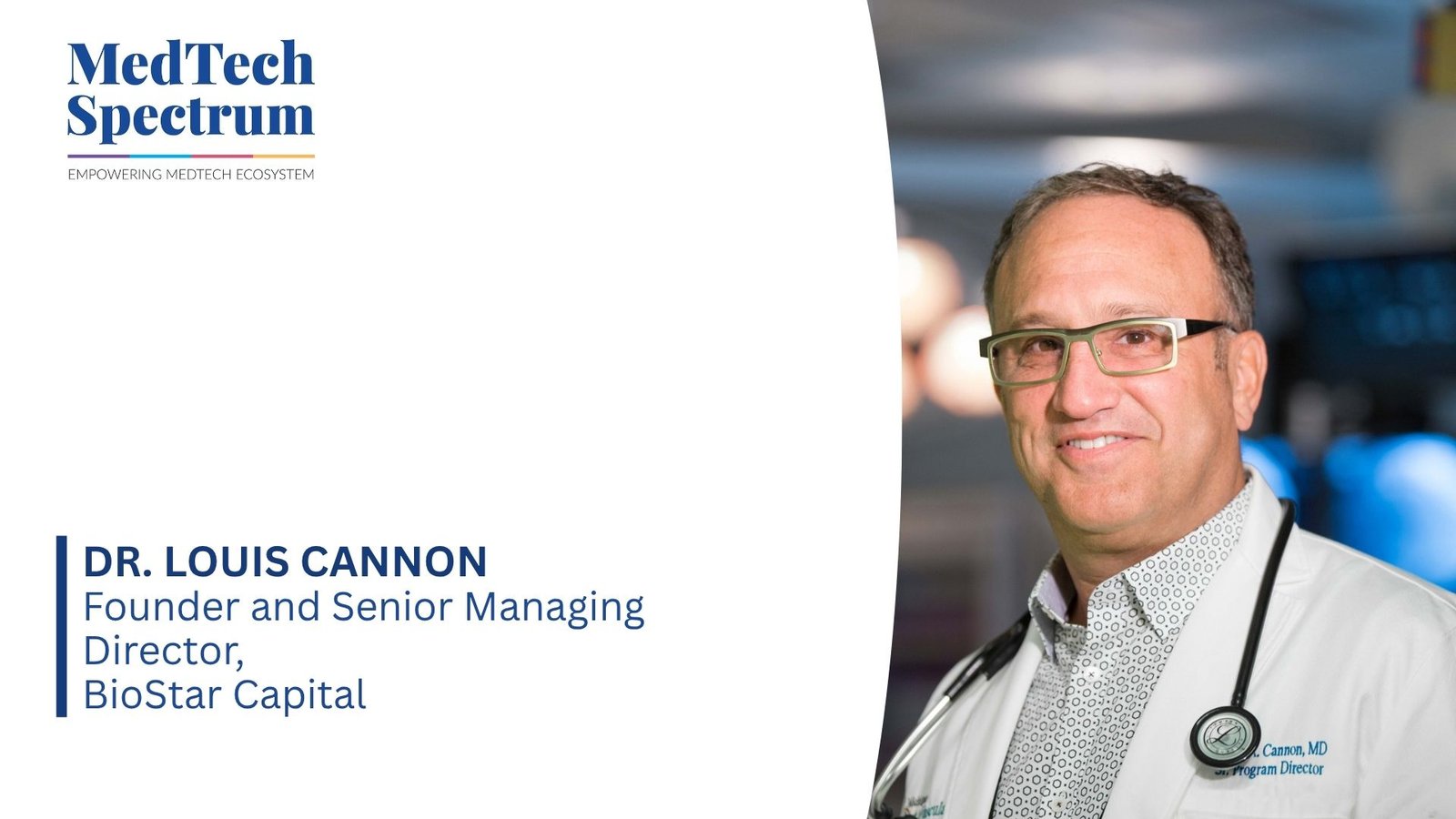
In this interview with MedTech Spectrum, Dr Louis Cannon, Founder and Senior Managing Director of BioStar Capital, shares insights into the strategic significance of Stryker’s acquisition of AVS, the clinical advantages of the company’s hydraulic IVL technology, and the growing role of physician-led innovation in MedTech. He also discusses the importance of academic collaboration, the contribution of the University of Michigan innovation ecosystem, and the global expansion opportunities enabled through Stryker’s international reach
What strategic and clinical factors made AVS an attractive acquisition for Stryker, particularly ahead of FDA approval?
Strategically, the market is always open to a best-in-class innovation that maximises ease of use, while maintaining safety and efficacy. The AVS device does not have an electric-wired balloon or laser, and therefore does not create heat inside the artery. Additionally, the extremely low crossing profile is due to the lack of laser and electric wires; this is especially important in tortuous vascular anatomy or where blockages are tight and small in diameter.
How does AVS’s hydraulic intravascular lithotripsy technology differentiate itself from existing approaches like electric wired balloons and laser-based systems?
Small, excellent crossing profile, lack of thermal effects inside a vessel, and no need to make room for another large console in the cath lab! Additionally, we have a much higher device longevity than competing technologies, and AVS has a “smart” safety feature to turn the device off immediately if needed.
In what ways will the AVS Pulse System improve treatment outcomes, procedural efficiency, and patient safety for calcified peripheral arterial disease?
We will access vessels more easily with technology that handles just like a regular angioplasty balloon. The difference is that the device delivers a 15 pulse per second high frequency, low intensity diaphragmatic pulsation, which allows it to crack arterial plaque, including concentric lesions, safely. For physicians like me, it just feels like a routine angioplasty catheter.
Given BioStar Capital's role in this journey, what lessons does this offer for investors and startups in the medtech space?
Physicians' ideas make a huge difference in the space. As physicians, we are in the cath labs working around the calcium, and we need devices that make procedures easier and safer, while enhancing access to difficult calcific arteries. This technology addresses a huge population need related to vascular disease. Hitinder Gurm, MD, FACC, was one of the inventors, along with Robert Chisena, PhD, at the University of Michigan, with a goal to address difficult clinical situations and improve current care, and they succeeded!
How do you envision the global scale-up of AVS technology using Stryker’s international resources?
We believe the global scale-up opportunity is significant given Stryker’s established international infrastructure and track record of bringing innovative medical technologies to markets around the world. As a trusted global medical technology company, headquartered in Michigan, similar to BioStar, Stryker has the scale and reach to help expand AVS’ technology internationally and ultimately help humanity by broadening access to advanced vascular care for patients worldwide.
How important were university-driven innovation ecosystems and academic collaborations in accelerating this technology?
AVS would likely not exist if it weren’t for the University of Michigan and the Coulter Committee. Their collaboration, innovation ecosystem, and partnership were instrumental in accelerating the development of this technology. We’re incredibly grateful for the role they played in helping bring this forward - they have been true partners from the beginning!