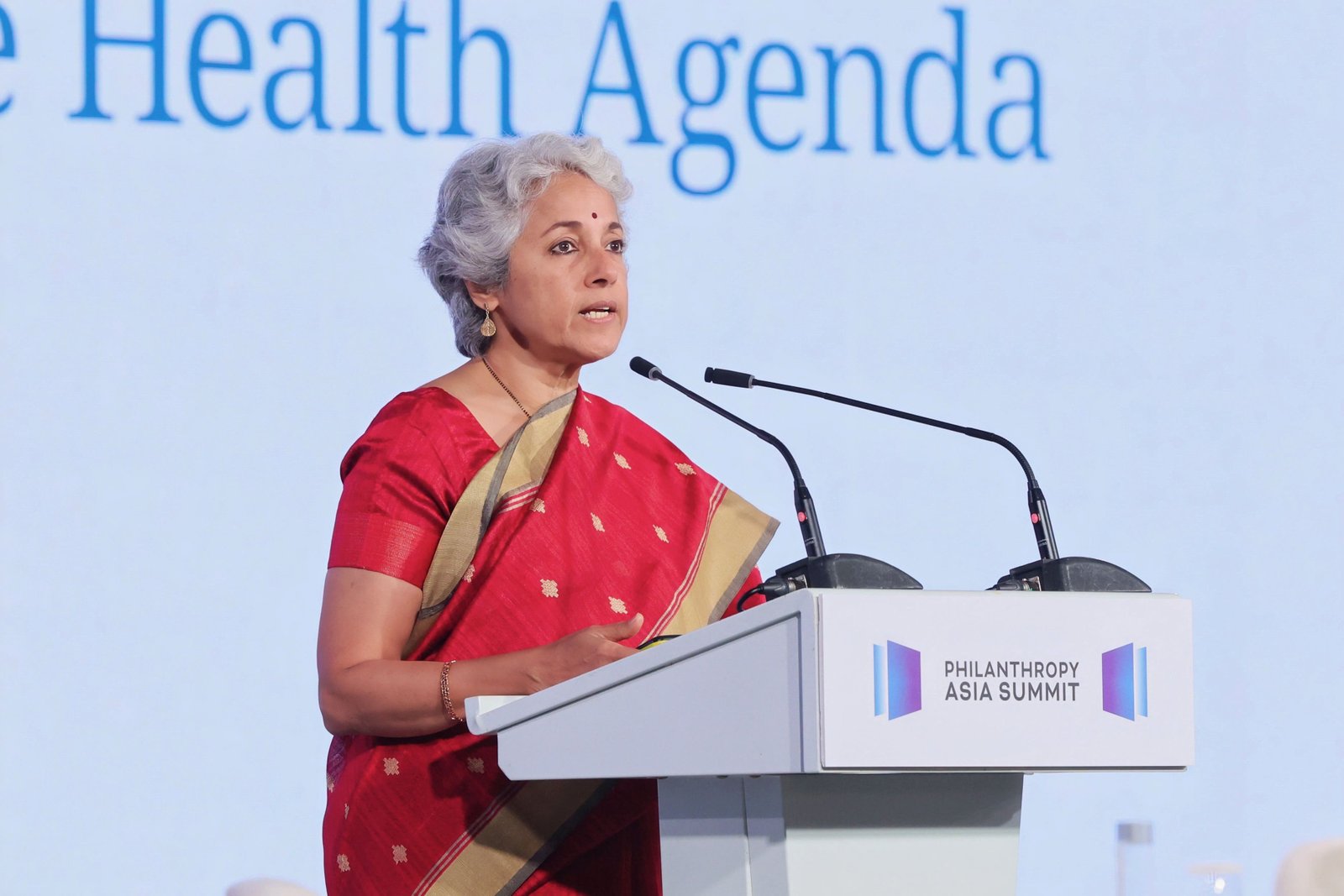
Dr Soumya Swaminathan, Chairperson, M S Swaminathan Research Foundation
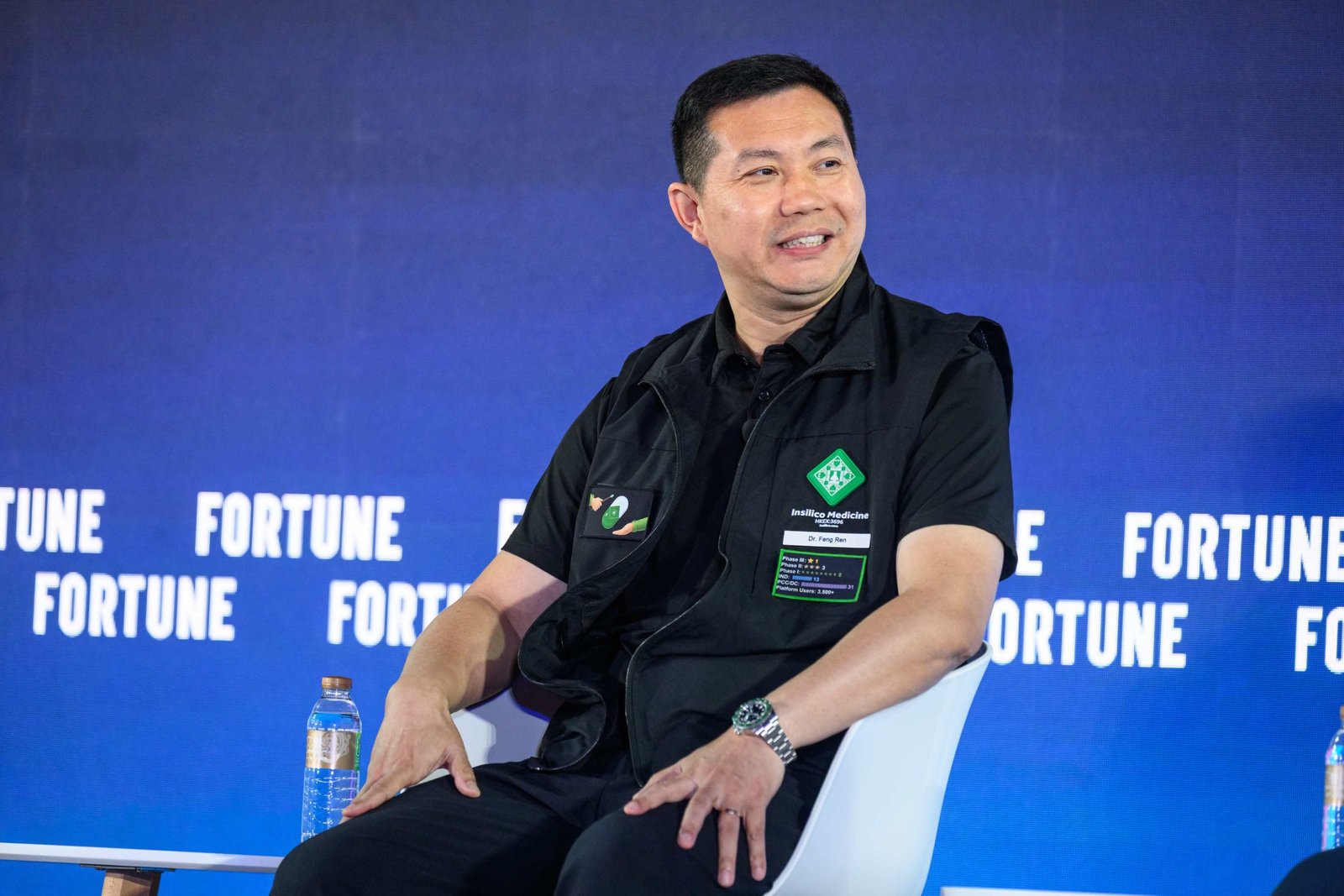
The Philanthropy Asia Summit 2026 kicked off, with the science agenda placing healthcare innovation at the centre of discussions on how research, technology, and strategic capital can be translated into measurable impact. The Philanthropy Asia Summit will run from 18-20 May 2026, at the Marina Bay Sands in Singapore. Speakers highlighted advances in artificial intelligence, medical training, and infectious disease preparedness, positioning science-led innovation as a key enabler for more resilient health systems.
A focus of the session was Tsinghua University’s AI hospital project, presented by Professor Zhang Yaqin. The system simulates a hospital environment using AI agents representing doctors, patients, nurses and other clinical roles, with applications in medical training, healthcare delivery and pandemic prediction.
One of the project’s key findings was that AI doctor agents trained from zero knowledge using reinforcement learning appeared to outperform versions built from real-world medical databases, knowledge graphs and existing clinical data. Professor Zhang noted that while this approach took longer to converge, it produced stronger results by allowing AI agents to evolve through repeated patient interactions without starting from fixed assumptions.
The system also showed significant implications for medical training. Through synthetic patient generation and continuous AI-agent interaction, the AI hospital was able to simulate the equivalent of two to three years of diagnostic work in around two days. The project has since scaled from thousands of synthetic patients to more than one million cases, creating a high-volume virtual environment for diagnostic learning and iteration.
However, the session also emphasised that safety remains central to medical AI deployment. Professor Zhang stressed that hallucination in healthcare carries far higher risks than in many other AI applications, as diagnostic or treatment errors can be fatal. As a result, the AI hospital is being deployed cautiously, with human doctors retaining final decision-making authority while AI agents support clinical reasoning and diagnosis.
The healthcare discussion also extended to pandemic preparedness. Professor Azra Ghani of Imperial College London argued that the world should shift from accepting pandemics as inevitable to building systems capable of earlier detection, faster decision-making and more targeted deployment of diagnostics, therapeutics and vaccines. Her presentation highlighted speed as a health intervention in itself, noting that faster vaccine development during COVID-19 could have saved millions of lives.
A key message from the session was that health innovation depends not only on scientific discovery, but also on systems that connect data to action. Professor Ghani emphasised the need for stronger surveillance, rapid diagnostics and clearer triggers for public health escalation, particularly in the early stages of outbreaks when evidence may be uncertain but delays can carry major consequences.
Reflecting on the MedTech and Digital Health sectors, the session reflected a growing opportunity for AI, simulation, diagnostics and decision-support tools to address structural healthcare challenges, including ageing populations, workforce shortages, rising costs and global infectious disease risks. At the same time, it reinforces the need for careful validation, clinical governance and responsible deployment, particularly where technologies directly influence patient outcomes.
By bringing together researchers, funders and cross-sector stakeholders, the Philanthropy Asia Summit positioned strategic capital as a potential bridge between scientific breakthroughs and real-world adoption. For healthcare, this may be especially relevant in areas where early-stage technologies require long validation cycles, strong regulatory oversight and implementation support before they can scale across health systems.