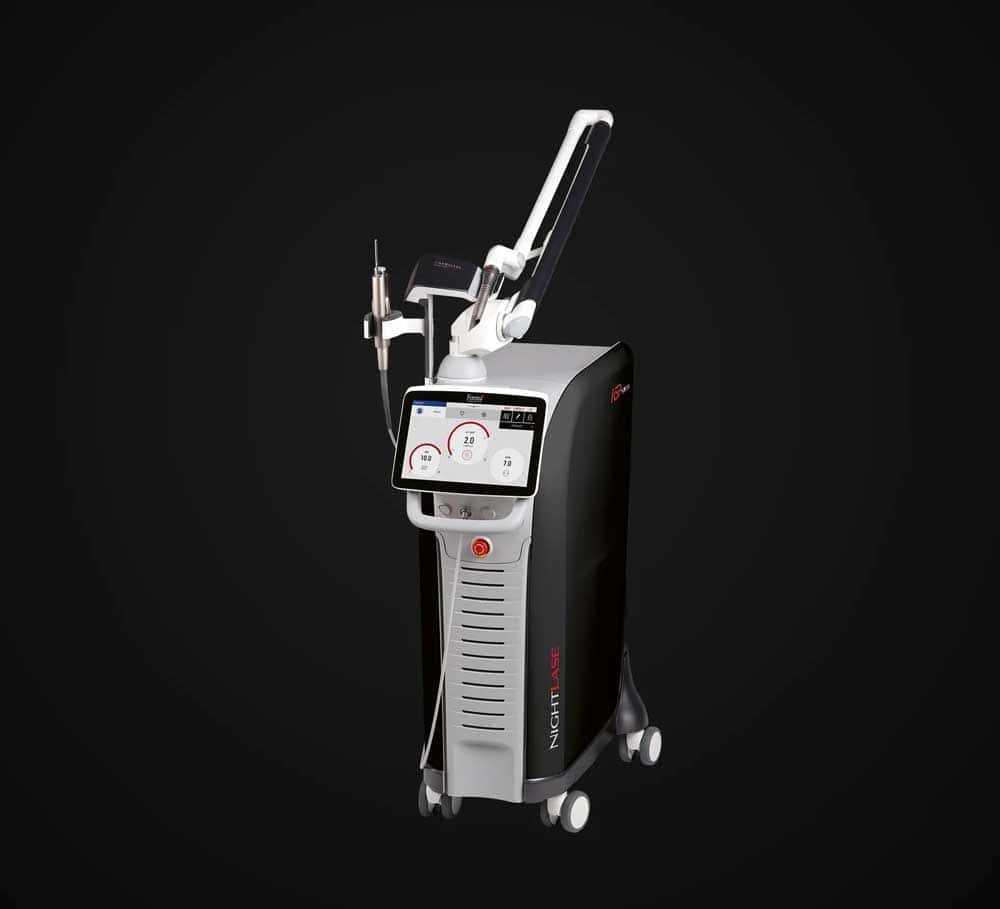
Dentistry expert Dr Nancy Amoia has shared insights on NightLase, a laser-based treatment designed to support patients struggling with snoring or mild obstructive sleep apnea.
The treatment uses gentle pulses from the Fotona laser system to tighten soft tissues in the upper airway, particularly the soft palate and oropharyngeal area. By targeting these areas, NightLase aims to reduce snoring and airway obstruction without the need for sedation, oral appliances or downtime.
According to the release, the treatment works by stimulating collagen production within mucosal tissues. This gradually firms and stabilises areas that may collapse during sleep, supporting improved nighttime breathing and reduced sleep disruption.
NightLase sessions typically last around 30 minutes and are spaced over several weeks. Dr Amoia noted that most patients tolerate the procedure well, with some experiencing only mild post-treatment throat soreness, if any.
The treatment may be especially relevant for individuals who are unable or unwilling to use continuous positive airway pressure devices. For selected patients with mild to moderate symptoms, NightLase offers a lower-disruption option that can support improvements in sleep quality and snoring reduction.
However, patient selection remains important. Before treatment begins, patients undergo a diagnostic sleep study and clinical assessment to determine whether they are suitable candidates. NightLase is not positioned as a replacement for CPAP in severe cases, but as an option for properly selected individuals seeking relief from sleep disturbances caused by soft tissue obstruction.
For the dental and sleep health sectors, the discussion highlights the growing role of minimally invasive laser-based procedures in managing selected airway-related conditions. As awareness of sleep health continues to grow, dental professionals may play a wider role in identifying and supporting patients with snoring and mild sleep-disordered breathing concerns.