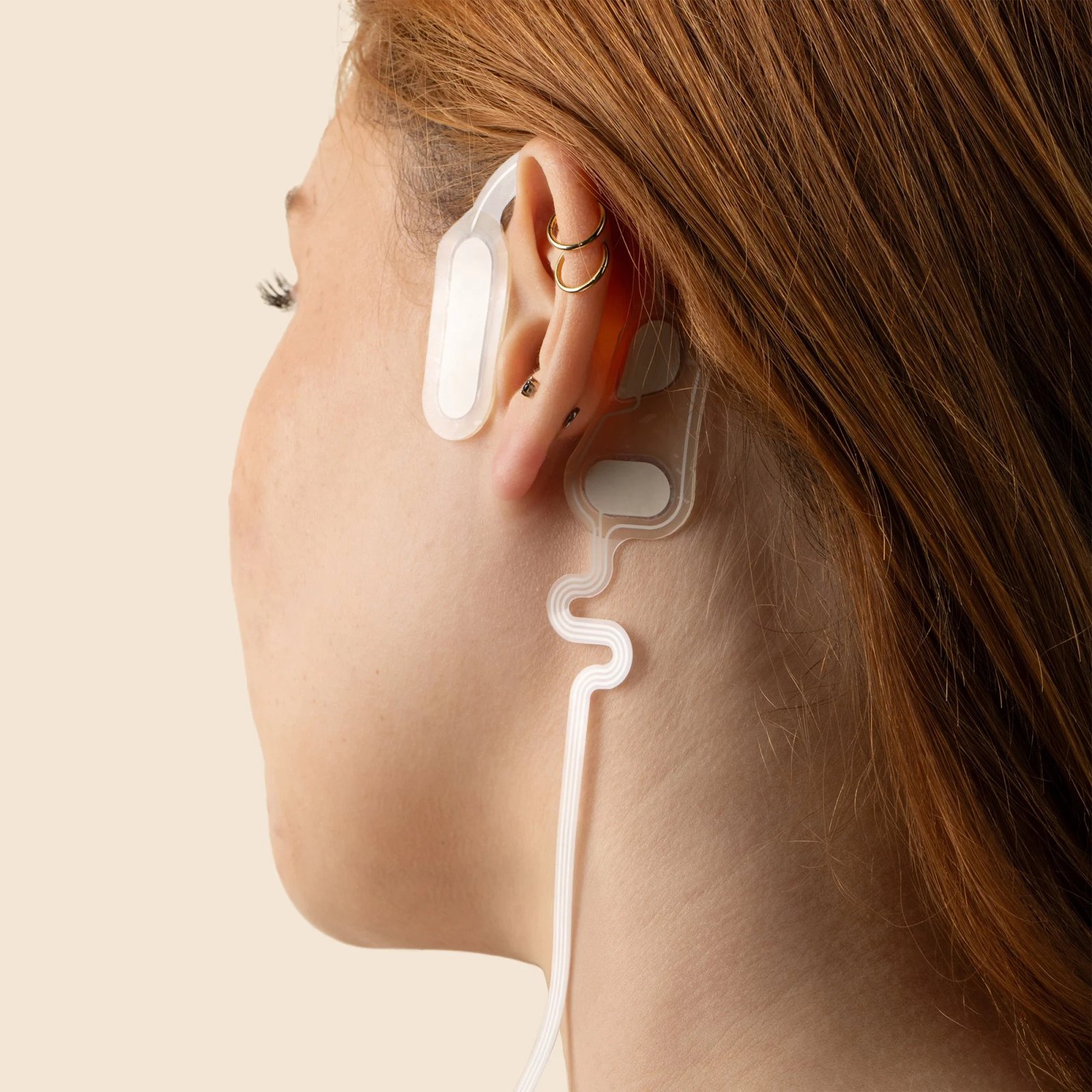
Spark Biomedical and Northwell Health’s Feinstein Institutes for Medical Research have published first-in-human data showing that non-invasive auricular neurostimulation can enhance platelet function.
The study, published in Bioelectronic Medicine, evaluated Spark’s transcutaneous auricular neurostimulation platform. The findings showed that stimulation of neural pathways through the ear enhanced the body’s natural clotting response without systemic effects, hypercoagulability or adverse events.
This is relevant because severe bleeding remains a major challenge in trauma, surgery and bleeding disorders. Current approaches often depend on blood products, drugs or invasive intervention, but there is growing interest in non-pharmacological technologies that can support haemostasis.
Spark’s platform stimulates the vagus and trigeminal nerves through the ear. The company is developing the technology as part of its Neural Tourniquet programme, which aims to create a portable, wearable approach to help control bleeding.
The study provides early clinical evidence that targeted neurostimulation can influence platelet readiness in humans. This is important because bioelectronic medicine has often focused on pain, inflammation or neurological disorders, while haemostasis represents a newer potential application.
The technology could have relevance in trauma settings, operating rooms and potentially for patients with bleeding disorders. However, the findings are early and further clinical studies will be needed to establish efficacy, optimal stimulation parameters, durability and practical use cases.