Alcon, the global leader in eye care dedicated to helping people see brilliantly, will introduce its new innovations in APAC, the UNITY Cataract System (CS) and Clareon PanOptix Pro, at the 38th Asia-Pacific Association of Cataract and Refractive Surgeons (APACRS) Annual Meeting in Pattaya, Thailand, from 4-6 June 2026. During the meeting, Alcon will also host a live hands-on demonstration of UNITY CS at the Alcon booth A1 alongside dedicated symposium sessions featuring the latest advancements in cataract surgery technologies and clinical practice. These activities reflect Alcon’s efforts in driving category leadership in cataract surgery innovation to support growing demand for cataract surgery across APAC through improved surgical efficiency, workflow integration and visual outcomes.
Alcon is slated to showcase the following cataract surgery technologies at APACRS, highlighting as part of advancements in integrated surgical systems and intraocular lens innovation across the cataract surgery pathway:
UNITY Cataract System (CS)
About the UNITY Cataract System (CS)
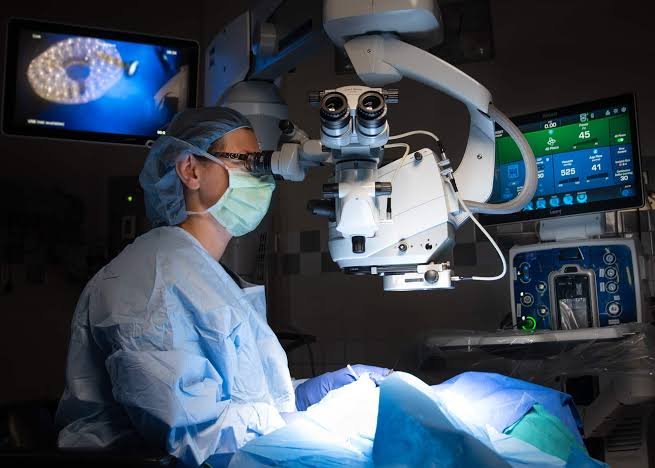
UNITY CS is a next-generation cataract surgical system designed to help surgeons perform cataract surgery more efficiently and consistently. It is one of two configurations within Alcon’s UNITY cataract surgical platform, alongside the UNITY Vitreoretinal Cataract System (VCS), which was introduced at APACRS last year. UNITY CS brings multiple first-to-market technologies designed to support superior efficiency in cataract surgery.
Key highlights
The cataract surgical system is designed to allow cataract surgeons the ability to operate with stability and efficiency at more physiologic conditions through its Intelligent Fluidics functionality.
Clareon PanOptix Pro
About the Clareon PanOptix Pro
The Clareon PanOptix Pro is a trifocal intraocular lens (IOL) platform designed to support high-quality vision across near, intermediate and distance ranges following cataract surgery. It leverages proprietary ENLIGHTEN NXT Optical technology, delivering the lowest light scatter and highest reported light utilisation of any trifocal IOL.
Key highlights
“The launch of a new Alcon phaco platform marks an important advancement in cataract surgery technology,” said Ronald Yeoh, President of the International Intraocular Implant Club (IIIC) and Clinical Associate Professor at Duke-NUS Graduate Medical School and the Singapore National Eye Centre. “UNITY CS combines procedural efficiency and surgical stability in a way that supports surgeons in delivering high-quality visual outcomes more consistently in clinical practice.”