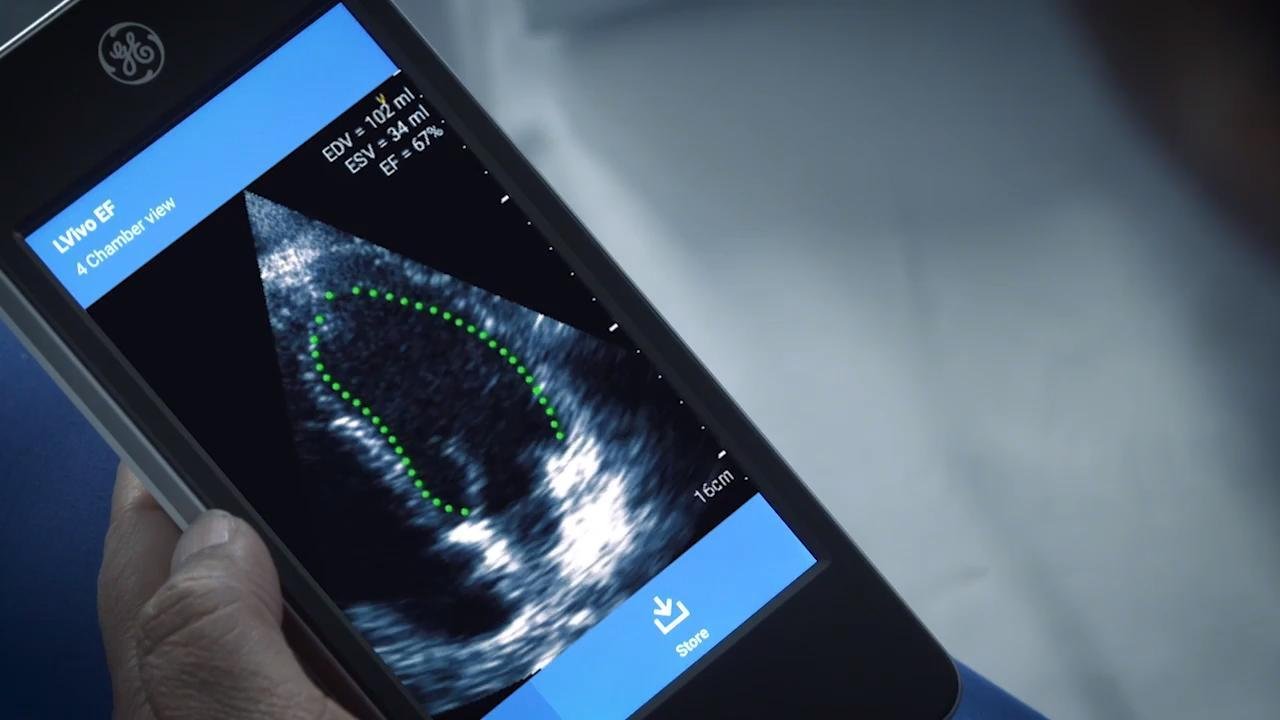
Clarius Mobile Health has received U.S. FDA clearance for its Ejection Fraction AI tool, a cardiac ultrasound feature designed to automate left ventricular ejection fraction assessment at the point of care.
The tool is integrated into the Clarius Ultrasound App and provides clinicians with an automated measurement of how much blood the left ventricle pumps out with each heartbeat. This is relevant because ejection fraction is a key marker in assessing cardiac function, but traditional assessment can depend heavily on operator experience and access to formal echocardiography.
The AI tool was developed using thousands of cardiac ultrasound images annotated by clinicians. It is designed to support more consistent assessment across different patient presentations and image qualities, reducing reliance on subjective visual estimation.
Clarius said the tool is available in the United States and other markets to users of its PA, PAL and C3 HD3 wireless ultrasound scanners through the latest app update. It is also part of the company’s broader Clarius Intelligence tools, available through membership and one-time licence access.
The development reflects the growing role of handheld ultrasound and AI-supported interpretation in decentralising diagnostics. In primary care, the tool could help physicians monitor cardiac function and support earlier referrals when ejection fraction declines. In emergency medicine, it could assist clinicians evaluating shortness of breath, shock and trauma where rapid cardiac information can affect treatment decisions.
Adoption will depend on clinician confidence, workflow integration and the ability of AI tools to support, rather than replace, clinical judgement. While automated measurements may improve access and consistency, training and appropriate use will remain important as cardiac POCUS expands beyond specialist settings.
Clarius said almost 7 million high-definition scans have been performed using its wireless handheld scanners, which are available in more than 70 countries. The clearance strengthens the company’s position in AI-enabled point-of-care imaging, where scalability will depend on balancing ease of use with clinical reliability.