
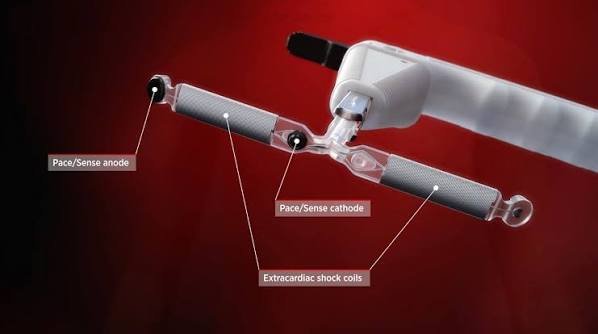
AtaCor Medical has enrolled and treated the first patient globally in its ALARION-EV pivotal trial, advancing clinical evaluation of its investigational parasternal extravascular implantable cardioverter-defibrillator system.
The study is evaluating AtaCor’s Atala lead in combination with an investigational EV-ICD pulse generator developed by Abbott. The system is being studied in patients who are indicated for a standard ICD but do not require chronic pacing therapy for slow heart rhythms.
This is relevant because implantable cardioverter-defibrillators remain a key therapy for preventing sudden cardiac death in patients at risk of life-threatening ventricular tachyarrhythmias. However, traditional ICD systems usually require leads to be placed through veins and inside the heart, which can create long-term risks such as vascular injury, lead fracture, malfunction and infection.
AtaCor’s investigational system is designed to avoid the heart and vasculature. The Atala lead is placed through a small left parasternal incision, passes through a rib space and positions electrodes against the pericardium, outside the heart and blood vessels.
This approach could address one of the major challenges in cardiac rhythm management: lead-related complications. By moving defibrillation and antitachycardia pacing capability outside the vascular system, the device may reduce the need for complex lead revisions associated with transvenous systems.
The ALARION-EV trial is a prospective, multicentre, single-arm pivotal study. It will enrol up to 280 patients across as many as 40 sites in the United States and the Netherlands. The study is designed to demonstrate safety and effectiveness through at least six months of follow-up, with data intended to support a future premarket approval submission.
The first global patient was enrolled at St. Bernards Medical Center in Jonesboro, Arkansas. The site’s electrophysiology team is participating in the trial as part of the broader evaluation of AtaCor’s extravascular ICD approach.
The collaboration with Abbott is commercially relevant because AtaCor is developing the Atala lead while Abbott is providing the investigational EV-ICD pulse generator. For emerging device companies, partnerships with established cardiac rhythm management players can support development, system integration and future commercial pathways.
The technology will also need to fit into existing cardiac rhythm management workflows. Hospitals and electrophysiology labs will consider procedure time, imaging requirements, pocket placement options, follow-up protocols and compatibility with existing patient management systems.
The development reflects continuing innovation in ICD design, particularly around lead placement. As clinicians seek to reduce complications associated with intravascular hardware, extravascular approaches may become an important area of device development.