STARMED has received U.S. FDA 510(k) clearance for a thyroid-specific indication covering ultrasound-guided percutaneous ablation of eligible, cytologically confirmed benign thyroid nodules in adults.
The clearance, under 510(k) number K252833, took effect on May 26, 2026. STARMED said it is the first and only company to receive FDA clearance for an indication specific to thyroid nodule ablation.
This is relevant because benign thyroid nodules can cause symptoms such as neck discomfort, swallowing difficulty, cosmetic concerns and pressure effects. While many nodules are monitored, some patients require intervention. Surgery remains effective but can involve scarring, anaesthesia, thyroid hormone replacement risk and longer recovery.
Radiofrequency ablation offers a minimally invasive alternative for selected benign nodules. It is performed percutaneously under ultrasound guidance and is intended to reduce nodule volume while preserving surrounding thyroid tissue.
The specificity of STARMED’s clearance is important. The indication directly names thyroid nodules, ultrasound guidance, the percutaneous approach, adult patients and applicable clinical eligibility criteria. This distinguishes it from more general soft-tissue ablation indications and gives physicians clearer regulatory alignment for thyroid-focused use.
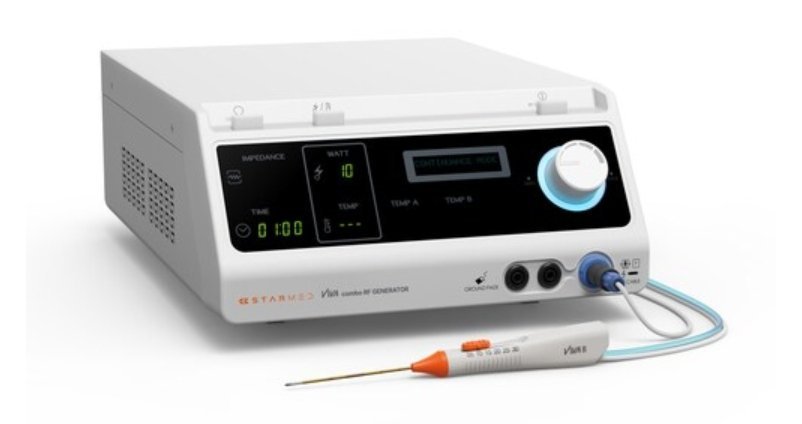
The cleared STAR RF Electrode is a radiofrequency ablation electrode designed to support precision in ultrasound-guided treatment of eligible benign thyroid nodules. The VIVA RF Electrode, also covered by the clearance, is a monopolar electrode with an adjustable active tip that allows clinicians to adjust ablation size according to clinical need.
STARMED developed what it describes as the world’s first thyroid-dedicated RFA electrode in 2009. The company has continued to work with clinicians and academic centres to support device development, procedural education and technique refinement.
The company currently supports thyroid RFA training centres in more than ten countries. Its thyroid technologies are referenced in more than 300 peer-reviewed clinical publications, while its broader thermal ablation technologies are supported by more than 700 sources of clinical research evidence.